

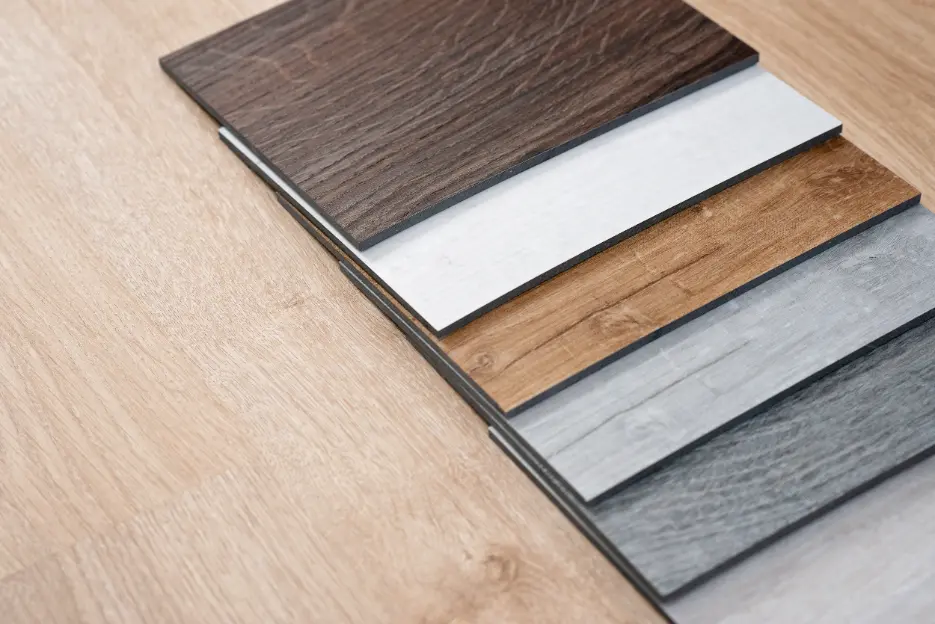
Choosing new flooring is one of the most exciting parts of updating your home, but it can also leave you with plenty of questions. Should you choose ceramic or porcelain tile? Will a particular finish become slippery when wet? And how do you find something that looks beautiful while standing up to muddy shoes, spilled drinks, pets, and everyday family life? For homeowners in Brattleboro, VT, these questions are especially important because New England’s changing seasons can be tough on the floors we use most.
The best tile flooring for kitchens, bathrooms, and mudrooms depends on how much moisture, foot traffic, and everyday wear each room experiences. Porcelain tile is often a strong option for busy, moisture-prone spaces, while ceramic tile can work well in many residential applications. Surface texture, slip resistance, grout selection, and proper installation are just as important as the tile material itself.
For homeowners throughout Brattleboro and Windham County, a few considerations can help narrow the choices:
-
Kitchen tile flooring should balance durability, stain resistance, comfortable maintenance, and a style that complements the rest of the home.
-
Bathroom tile flooring should be specifically approved for floor use and appropriate for areas that may become wet.
-
Mudroom tile flooring in Brattleboro and Putney should withstand tracked-in snow, rain, grit, and routine cleaning.
-
Porcelain and ceramic tile have different water absorption characteristics, but neither eliminates the need for proper installation and moisture management.
-
Professional installation helps address subfloor conditions, tile movement, grout joints, and other factors that affect long-term performance.
At Lawton Floor Design, we’ve spent more than 60 years helping homeowners throughout Brattleboro and southeastern Vermont choose flooring that fits their homes and lifestyles. Our locally owned flooring store offers an extensive selection of ceramic, porcelain, and natural stone tile, along with personalized design guidance and professional installation. We believe the right flooring should look beautiful while making everyday life a little easier.
What Is the Difference Between Ceramic and Porcelain Tile?
The primary difference between ceramic and porcelain tile is water absorption and manufacturing characteristics. Porcelain is a category of ceramic tile made to meet stricter water absorption requirements, while other ceramic tiles offer a broad range of finishes, designs, and performance characteristics.
Ceramic Tile: Versatile and Attractive
Ceramic tile is available in many colors, patterns, shapes, and finishes, making it a flexible option for residential flooring. Homeowners often appreciate the opportunity to create traditional, contemporary, or decorative designs without being limited to one appearance.
For kitchens and certain bathrooms, properly rated ceramic floor tile can provide dependable performance. However, it’s important to distinguish ceramic floor tile from decorative wall tile because not every product is suitable for foot traffic.
Ceramic tile may also be easier to cut or work with than some dense porcelain products, although installation requirements vary. Your selection should ultimately depend on the manufacturer’s intended use and the conditions in the room.
Porcelain Tile: Dense and Moisture-Resistant
Porcelain tile is manufactured to meet a water absorption standard of 0.5% or less. This makes it particularly appealing for many areas where moisture exposure is a regular concern.
Porcelain is also available in designs that resemble natural stone, wood, concrete, and other materials. For homeowners who want durable tile flooring without sacrificing visual warmth, these styles provide plenty of options.
However, low water absorption doesn’t mean an entire tiled floor is completely waterproof. Grout joints, seams, transitions, and underlying materials still require proper attention.
Which Material Makes More Sense?
Neither ceramic nor porcelain is automatically the best choice for every room. A properly rated ceramic tile may work beautifully in a residential kitchen, while a dense porcelain product may be more appropriate for a heavily used mudroom.
At our Brattleboro showroom, we help customers compare tile materials, finishes, and intended applications. Seeing samples in person can make it easier to understand how each option might perform in your home.
What Is the Best Tile Flooring for Kitchens?
The best tile flooring for kitchens combines durability, easy cleaning, appropriate slip resistance, and a finish that complements the cabinets, countertops, and surrounding living areas. Porcelain and properly rated ceramic tile can both be suitable choices, depending on the household and selected product.
Consider Everyday Spills and Foot Traffic
Kitchens experience everything from cooking splashes and dropped food to rolling carts, chair movement, and frequent foot traffic. For households with children or pets, the flooring may need to withstand even more daily activity.
Choose a tile specifically rated for residential floor use and suitable for the expected level of traffic. A durable surface finish can help reduce concerns about routine wear and cleaning.
For Brattleboro homeowners with older kitchens, it’s also important to consider how the new tile will interact with adjoining rooms. Flooring transitions should feel intentional rather than creating awkward height differences.
Choose a Finish That Works for Your Household
Glossy tile can create a bright, polished appearance, but some smooth finishes may become slippery when wet. Matte or textured options may offer more practical traction in kitchens where spills occur regularly.
However, surface appearance alone isn’t a reliable measure of slip resistance. Review the manufacturer’s suitability information and any available test results before making a decision.
Think About Color and Pattern
Kitchen flooring contributes significantly to the overall appearance of the room. Light-colored tile can help smaller kitchens feel open, while darker tones can create contrast with cabinetry.
Natural stone-inspired porcelain, warm neutral ceramic, and subtle patterned tile are all worth considering. The right choice should complement the home’s architecture and the homeowner’s preferred style.
At Lawton Floor Design, we encourage customers to bring cabinet finishes, countertop samples, or photographs when exploring tile options. This helps us recommend colors and patterns that work together rather than making the flooring decision in isolation.
How Do You Choose the Best Tile for Bathroom Floors?
The best tile for bathroom floors is a product specifically approved for flooring and suited to the room’s expected moisture and slip conditions. Porcelain and certain ceramic tiles can both work well, but the surface finish and installation system deserve particular attention.
Moisture Resistance Matters
Bathrooms experience regular exposure to water from showers, sinks, and everyday activities. Even when the floor isn’t constantly wet, splashes and humidity can create conditions that differ from those in a living room or bedroom.
Porcelain tile’s low water absorption can make it an appealing option for these environments. However, proper waterproofing and moisture management remain necessary where required by the installation design.
A tile floor isn’t automatically waterproof simply because the tile itself resists water absorption. Professional installation should account for the underlying materials and intended use.
Prioritize Slip Resistance
Bathroom floors can become slippery when water or cleaning products reach the surface. For this reason, it’s important to evaluate a tile’s suitability for wet interior conditions.
The Tile Council of North America discusses slip resistance through product-use classifications and dynamic coefficient of friction testing. Homeowners don’t need to become experts in testing standards, but they should ask whether a product is recommended for the intended bathroom application.
No floor tile is completely slip-proof. Choosing an appropriate finish, promptly cleaning spills, and following manufacturer recommendations all help manage everyday risks.
Consider Tile Size and Layout
Large-format tile can create a clean appearance with fewer grout lines across the visible surface. Smaller tiles, including certain mosaics, allow for more intricate designs and may be especially useful where floor slopes and drainage requirements are involved.
However, tile size affects installation considerations. The floor’s flatness, layout, and intended application should be evaluated before choosing a particular format.
For homeowners remodeling older bathrooms in Brattleboro, these details can become especially important. Existing floor conditions may limit which materials and layouts can be installed without additional preparation.
Why Is Porcelain Tile Often a Good Choice for Vermont Mudrooms?
Porcelain tile is often a practical choice for Vermont mudrooms because its low water absorption and available durable finishes can help accommodate wet footwear, dirt, and frequent cleaning. However, homeowners should select a product rated for the expected conditions rather than assuming every porcelain tile performs identically.
Prepare for Snow, Slush, and Mud
Mudrooms serve as the transition between outdoor weather and the rest of the house. During winter, boots may track in melting snow and deicing residue, while spring brings rainwater, mud, and grit.
For homeowners in Putney, Dummerston, Guilford, and surrounding communities, these seasonal conditions can place extra demands on entryway flooring.
A suitable tile floor can make routine cleanup easier, especially when paired with appropriate entry mats. However, standing water should still be removed promptly rather than left on the floor.
Look for Durable, Easy-to-Clean Surfaces
Mudroom floors often see concentrated foot traffic and frequent contact with outdoor debris. Tiles with suitable wear ratings and surface finishes can help accommodate those demands.
Textured finishes may provide useful traction, although they can also require more attention when removing dirt from surface details. Consider how easily the particular product can be cleaned before selecting it.
Don’t Overlook the Subfloor
Mudrooms in older Vermont homes may have existing wood subfloors, uneven surfaces, or previous flooring installations that require evaluation.
Because tile is rigid, the supporting structure and installation system must be appropriate for the selected material. Inadequate support or movement can contribute to cracked grout or damaged tile.
Our professional installation team evaluates relevant floor conditions before installing new materials. This helps us plan an installation suited to the home rather than focusing exclusively on the appearance of the finished surface.
How Important Is Tile Slip Resistance?
Tile slip resistance is an important selection factor in kitchens, bathrooms, and mudrooms because these spaces are more likely to experience moisture. The appropriate level of traction depends on the specific room, expected conditions, footwear, and tile product.
Understand Product Suitability
Manufacturers provide information about whether a tile is intended for residential floors, interior wet areas, or other applications.
Some products carry test results or classifications related to wet slip resistance. These details should be considered alongside surface texture and the conditions where the tile will be installed.
A smooth decorative tile that’s suitable for a kitchen backsplash may not be an appropriate choice for a bathroom floor. Always verify the intended application before purchasing.
Balance Texture and Maintenance
Highly textured tile can offer a different underfoot feel than polished surfaces. However, pronounced texture can also trap dirt and require more thorough cleaning.
For a busy mudroom, the goal is to select a finish that offers appropriate traction without becoming unnecessarily difficult to maintain. The best balance depends on the household and the specific product.
What Should Homeowners Know About Grout and Tile Maintenance?
Tile maintenance involves cleaning the tile surface, caring for grout joints, and following the manufacturer’s recommended products and procedures. Although many tile floors are relatively easy to maintain, no tile installation should be considered completely maintenance-free.
Grout Still Requires Attention
Grout fills the joints between tiles and contributes to the finished floor’s appearance. Depending on the grout type, it may be vulnerable to staining or require periodic sealing.
Traditional cement-based grout and certain alternative grout products have different maintenance requirements. Homeowners should understand which material is being installed and how the manufacturer recommends caring for it.
Choose Cleaning Products Carefully
Routine sweeping or vacuuming helps remove dirt and abrasive particles before they accumulate. Damp cleaning with a suitable product can help maintain the floor’s appearance.
Avoid assuming that every household cleaner is appropriate for all tile and grout materials. Certain chemicals may damage finishes or affect grout performance.
Keep Moisture From Becoming a Larger Problem
Even moisture-resistant tile should not be used as a substitute for addressing plumbing leaks or ongoing water intrusion.
Persistent moisture beneath flooring can affect surrounding building materials and create problems that ordinary cleaning won’t correct. Homeowners should investigate recurring dampness rather than relying on the tile surface to protect everything underneath.
Why Does Professional Tile Installation Matter?
Professional tile flooring installation helps ensure that the subfloor, setting materials, layout, and finishing details are appropriate for the selected product. Tile performance depends on the entire installation system, not simply the quality of the tile itself.
Subfloor Preparation Supports Long-Term Performance
Before installation begins, the existing floor must be evaluated for suitability. Some projects require additional preparation to address flatness, movement, or moisture-related concerns.
Skipping necessary preparation can contribute to cracking, uneven tile, and premature installation problems. These concerns are particularly relevant in older homes where previous renovations may have changed the floor structure.
Proper Layout Makes a Difference
Tile layout affects the appearance of the room and the placement of cuts, grout joints, and transitions. A thoughtful arrangement can make the space feel balanced and complement nearby cabinets, fixtures, and walls.
For bathrooms and kitchens, professional planning also helps account for fixed features and changes in flooring height.
Local Experience Helps With Vermont Homes
Homes throughout Brattleboro, Marlboro, Wilmington, and surrounding communities vary considerably in age, construction, and floor conditions.
At Lawton Floor Design, our in-house installation team has experience working with a wide range of flooring materials and property types. We provide on-site consultations, measurements, material selection assistance, installation, and finishing services to help homeowners plan their projects.
How Can You Match Tile Flooring to Your Home’s Style?
Matching tile flooring to your home’s style involves considering the room’s colors, natural light, architectural details, and adjoining finishes. The most successful selections balance personal taste with the practical requirements of the space.
Traditional Vermont Homes
For an older farmhouse or traditional New England home, warm neutrals, natural stone-inspired designs, and understated patterns can complement existing woodwork and architectural features.
Tiles with subtle variations in color may create a welcoming appearance without drawing unnecessary attention away from the room’s original character.
Modern Kitchens and Bathrooms
Contemporary interiors often work well with larger tile formats, streamlined patterns, and coordinated neutral finishes. Porcelain products that resemble concrete or natural stone can support a clean, modern appearance.
However, homeowners should still evaluate surface suitability before prioritizing a particular look.
Creating Continuity Between Rooms
Some homeowners prefer coordinating tile colors across kitchens, bathrooms, and mudrooms while selecting different finishes suited to each location.
This approach can create visual consistency throughout the home without requiring identical products in every room. Different spaces may need different slip resistance, formats, or installation systems.
Our showroom offers opportunities to compare tile samples side by side. We help customers evaluate colors, textures, and patterns while keeping each room’s practical requirements in mind.
Frequently Asked Questions About Tile Flooring in Brattleboro, VT
1. Is porcelain or ceramic tile better for a kitchen floor?
Both porcelain and properly rated ceramic tile can work well in residential kitchens. Porcelain offers lower water absorption, while ceramic provides numerous design options and may suit many everyday applications. The best choice depends on product durability, surface finish, traffic, and the homeowner’s maintenance preferences.
2. What is the best tile for a bathroom floor in Vermont?
The best tile for a bathroom floor is one specifically approved for residential floor use and appropriate for expected wet conditions. Many homeowners choose porcelain or suitable ceramic tile with a matte or textured finish. Manufacturer recommendations and professional installation are important for long-term performance.
3. Is porcelain tile a good option for a mudroom in Brattleboro?
Yes, appropriately rated porcelain tile can be an excellent option for mudrooms exposed to snow, rain, grit, and tracked-in dirt. Its low water absorption makes it appealing for moisture-prone areas. However, traction, grout selection, subfloor preparation, and routine cleaning should also be considered.
4. Can tile flooring be installed over an existing wood subfloor?
Tile can sometimes be installed over a properly prepared wood subfloor when the structure and installation system meet applicable requirements. However, not every existing floor is suitable without additional work. A professional evaluation helps determine whether reinforcement, underlayment, or other preparation is necessary.
5. Does tile flooring need to be sealed?
Sealing requirements depend on the tile and grout materials. Some tile surfaces and grout products may benefit from or require sealing, while others have different maintenance recommendations. Homeowners should follow the manufacturer’s instructions rather than assuming every tile floor needs identical treatment.
6. Is textured tile completely slip-proof?
No, textured tile isn’t completely slip-proof, even when it provides useful traction. Wet surfaces, footwear, cleaning products, and other conditions can affect slip risk. Choose tile rated for the intended application and follow proper cleaning practices to help manage everyday hazards.
7. Does Lawton Floor Design provide tile flooring installation in Brattleboro, VT?
Yes, we offer tile selection assistance and professional installation for homeowners throughout Brattleboro and nearby communities. Our showroom features ceramic, porcelain, and other flooring options, and our installation team can evaluate floor conditions and project needs. We also provide free estimates for customers planning flooring improvements.
Find Tile Flooring That Fits Your Vermont Home at Lawton Floor Design
Choosing the right tile flooring involves more than finding a color or pattern that catches your eye. Kitchens, bathrooms, and mudrooms all have different requirements, and the best flooring for one space may not be the most practical option for another. By considering moisture exposure, foot traffic, surface texture, grout maintenance, and installation requirements, you can narrow your choices to products that fit your everyday needs. For homeowners throughout Brattleboro and southeastern Vermont, accounting for seasonal snow, mud, and changing conditions is also an important part of the decision. A thoughtful combination of style and function can help create floors that look beautiful and remain practical for years to come.
At Lawton Floor Design, we’ve helped homeowners throughout Brattleboro, Putney, Dummerston, Guilford, Vernon, and surrounding communities choose quality flooring for more than 60 years. Our locally owned flooring store offers an extensive selection of ceramic, porcelain, and natural stone tile, along with personalized guidance and professional installation services. Whether you’re renovating a kitchen, updating a bathroom, or creating a more practical mudroom, we’ll help you compare materials, explore designs, and plan flooring that suits your home. Visit our showroom at 972 Putney Road, Unit 3, in Brattleboro to see available tile styles in person and speak with our knowledgeable team. Call Lawton Floor Design at 802-254-9303 to request a free estimate and start planning your tile flooring project.