

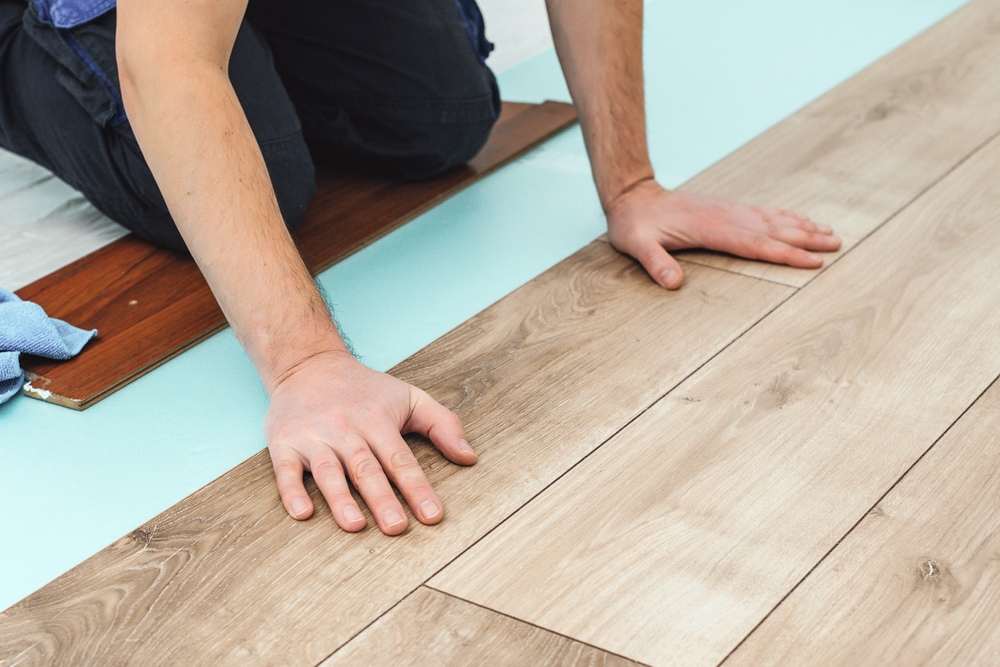
Flooring is one of the hardest-working surfaces in any home, especially in a place like Brattleboro, VT, where muddy boots, snowy winters, and seasonal humidity all take a toll. While many flooring issues can be repaired, there comes a point when replacing your floors becomes the smarter long-term investment.
Quick Answer
The biggest signs it’s time to replace your flooring instead of repairing it include widespread damage, recurring repairs, moisture problems, structural instability, and flooring that has simply reached the end of its expected lifespan. For homeowners in Brattleboro, Vermont’s changing seasons can accelerate wear on many flooring materials, making replacement the more practical and cost-effective choice over time.
What Local Readers Should Know
-
Hardwood, laminate, vinyl, and carpet all have different lifespans, but extensive damage often makes replacement more economical than repeated repairs.
-
Brattleboro’s snowy winters and wet spring seasons can introduce moisture that damages flooring beneath the surface.
-
Older homes throughout Windham County often have original subfloors that may also need evaluation when flooring problems appear.
-
Homes near the Connecticut River and other moisture-prone areas may experience flooring issues related to humidity fluctuations.
-
A professional inspection can determine whether the problem is limited to a small area or affects the entire flooring system.
Why This Matters Locally
Replacing flooring is often about more than appearance. In Brattleboro, seasonal freeze-thaw cycles, melting snow, spring rains, and fluctuating indoor humidity all contribute to flooring movement and wear. Older homes throughout neighborhoods near downtown Brattleboro, West Brattleboro, and Guilford frequently have aging flooring systems that have experienced decades of expansion, contraction, and everyday use.
Lawton Floor Design helps homeowners throughout the area evaluate whether repairing existing floors makes sense or whether a full replacement will provide better long-term value. Once we’ve introduced ourselves, our goal is to help you make an informed decision based on your home’s condition rather than simply choosing the larger project.
Local Data and Field Observations
Professional field observations show that moisture is one of the leading contributors to flooring replacement in southern Vermont. Throughout Windham County, we regularly see flooring affected by wet winter footwear, seasonal humidity changes, aging homes, and plumbing leaks that remain hidden beneath finished flooring until damage becomes extensive.
These local conditions often mean damage extends below the visible surface, making repairs less effective than homeowners initially expect.
Local Impact
Damaged flooring affects far more than appearance. Soft spots, uneven surfaces, loose boards, or water damage can create safety concerns while reducing comfort and potentially lowering property value.
For homeowners preparing to sell in Brattleboro or nearby communities like Putney, Dummerston, or Hinsdale, NH, outdated or damaged flooring can also influence buyer impressions. Replacing worn flooring often provides a cleaner, more updated appearance that supports the overall presentation of the home.
Warning Signs That Replacement Makes More Sense Than Repair
The clearest signs that flooring should be replaced instead of repaired include damage that extends beyond isolated areas.
1. Damage Covers Large Sections
If scratches, stains, cracks, or worn areas appear throughout multiple rooms, individual repairs often become expensive while producing inconsistent results.
2. Water Damage Has Reached the Subfloor
Water stains, swelling, buckling, or soft spots frequently indicate moisture has penetrated beneath the finished flooring. Surface repairs rarely solve hidden structural damage.
3. Flooring Feels Uneven or Unstable
Movement underfoot, squeaking that continues after repairs, or sections that flex may indicate problems with the subfloor or structural support.
4. Repairs Keep Becoming Necessary
If you continue repairing the same flooring year after year, replacement often provides better long-term value and fewer maintenance concerns.
5. The Flooring Has Reached the End of Its Lifespan
Every flooring material eventually wears out. Carpet, laminate, vinyl plank, engineered hardwood, and solid hardwood all have expected service lives depending on maintenance and daily use.
6. Multiple Styles Have Been Patched Together
Repeated repairs using different materials or discontinued products can leave flooring looking uneven and outdated.
7. Mold or Persistent Odors Develop
Lingering moisture trapped beneath flooring may contribute to odors or mold growth that cannot be solved by replacing only the visible surface.
When to Call a Professional
You can monitor small scratches, isolated dents, or loose trim on your own. However, recurring moisture, widespread warping, soft spots, or flooring that shifts while walking should be professionally evaluated.
In southern Vermont, moisture-related problems often extend farther than they first appear. A professional inspection can determine whether the issue is cosmetic or whether underlying structural components require attention before new flooring is installed.
Common Local Causes of Flooring Replacement
Several local factors contribute to flooring failure throughout the Brattleboro area.
Seasonal Moisture
Snow tracked indoors and spring moisture create repeated wet-dry cycles that stress flooring materials.
Older Homes
Many homes throughout Windham County feature aging flooring systems that have already undergone numerous repairs over several decades.
Humidity Changes
Seasonal expansion and contraction can eventually cause gaps, cupping, or buckling in wood flooring.
Heavy Daily Traffic
Busy households with pets, children, or frequent guests naturally create more wear over time.
Plumbing Leaks
Even slow leaks beneath sinks, appliances, or bathrooms can damage flooring long before visible symptoms appear.
Prevention and Maintenance
Routine maintenance helps maximize flooring lifespan.
-
Clean up spills promptly.
-
Use entry mats during snowy and rainy seasons.
-
Maintain stable indoor humidity whenever possible.
-
Place protective pads beneath furniture.
-
Address plumbing leaks immediately.
-
Schedule inspections if flooring begins showing movement or moisture damage.
While homeowners can perform regular cleaning and visual inspections, structural repairs and moisture evaluation should be left to experienced flooring professionals.
Expected Results
Replacing worn flooring can improve comfort, appearance, durability, and ease of maintenance. It also provides an opportunity to evaluate the subfloor and correct hidden issues before installing new materials.
While every project differs, replacing flooring often eliminates recurring repairs and provides a more consistent appearance throughout the home.
Common Mistakes
Mistake: Repairing Water-Damaged Flooring Repeatedly
Consequence: Moisture continues damaging the subfloor beneath the surface.
Better Approach: Determine whether hidden moisture requires full replacement before investing in cosmetic repairs.
Mistake: Waiting Too Long
Consequence: Small problems spread into larger and more expensive repairs.
Better Approach: Schedule an inspection when problems first become noticeable.
Mistake: Matching New Materials to Severely Worn Flooring
Consequence: Repairs may remain visibly different from the surrounding floor.
Better Approach: Consider replacement when wear is widespread throughout the room.
Common Local Scenario
A homeowner in the Brattleboro area notices several warped boards near an exterior entrance after multiple winters of tracked-in snow and moisture. At first, replacing a few boards seems like the logical solution. During inspection, however, moisture damage is discovered beneath a much larger section of flooring. Rather than continuing piecemeal repairs, replacing the affected flooring provides a longer-lasting solution while allowing the underlying issue to be corrected.
Related Service Solutions
Depending on your flooring condition, solutions may include:
-
Hardwood flooring replacement
-
Luxury vinyl plank installation
-
Laminate flooring installation
-
Tile flooring replacement
-
Carpet replacement
-
Subfloor evaluation and repair
-
Moisture damage assessment
Comparing Your Options
| Option | Best For | Considerations |
|---|---|---|
| Minor Repair | Small, isolated damage | Most cost-effective when the rest of the floor remains in good condition |
| Extensive Repair | Moderate damage with otherwise healthy flooring | May not fully address hidden moisture or structural issues |
| Full Replacement | Widespread wear, water damage, aging floors | Higher initial investment with longer-term benefits |
Service Areas
We proudly serve homeowners throughout Brattleboro, West Brattleboro, Putney, Dummerston, Guilford, and surrounding communities across Windham County. We also work with nearby property owners throughout the greater southeastern Vermont region.
The Cost of Ignoring Flooring Problems
Waiting too long can allow moisture damage, uneven surfaces, and structural issues to worsen. Small repairs may eventually become complete flooring replacement projects if underlying problems continue unchecked.
Frequently Asked Questions
How do I know if my flooring in Brattleboro should be replaced?
Yes, widespread damage, moisture issues, repeated repairs, or unstable flooring are strong indicators that replacement may be the better long-term solution for your Brattleboro home.
Can water-damaged hardwood floors be repaired?
Sometimes. Minor water damage may be repairable, but extensive swelling, buckling, or subfloor damage often requires replacing affected sections or the entire floor.
Does Vermont’s climate affect flooring lifespan?
Yes. Vermont’s seasonal humidity changes, snow, and moisture can accelerate wear on many flooring materials, particularly wood and laminate products.
Is replacing flooring more expensive than repairing it?
Initially, replacement costs more than a small repair. However, replacing severely worn flooring can reduce repeated repair costs over the long term.
Should I replace flooring before selling my Brattleboro home?
Often, yes. Updated flooring can improve a home’s appearance and help buyers view the property as well maintained, although every situation is different.
Can damaged subfloors be repaired during flooring replacement?
Yes. Replacing flooring provides an opportunity to inspect and repair subfloor issues before installing new materials.
How long does new flooring typically last?
The answer depends on the material, maintenance, and household traffic. Different flooring products have varying expected lifespans, making product selection an important part of the replacement process.
Is professional inspection necessary before deciding?
Yes. A professional inspection helps determine whether visible damage is only cosmetic or whether hidden structural or moisture problems require replacement.
Closing
Knowing when to repair and when to replace flooring can save time, money, and frustration. By understanding the warning signs and considering how local conditions affect your floors, you can make a confident decision that protects your home’s comfort and value for years to come.
Upgrade Your Home with Beautiful New Flooring
Whether you’re dealing with worn-out floors, water damage, or years of accumulated wear, we’re here to help you explore practical flooring solutions designed for your home and your budget.